If you own a home or business that isn’t connected to the municipal sewer system most likely, you have a septic system for managing your wastewater. Septic systems can be an eco-friendly and effective way to handle sewage. But, they need regular maintenance. They might also have to be replaced eventually. In this article, we will provide a complete guide to managing septic system expenses for installation and replacement.
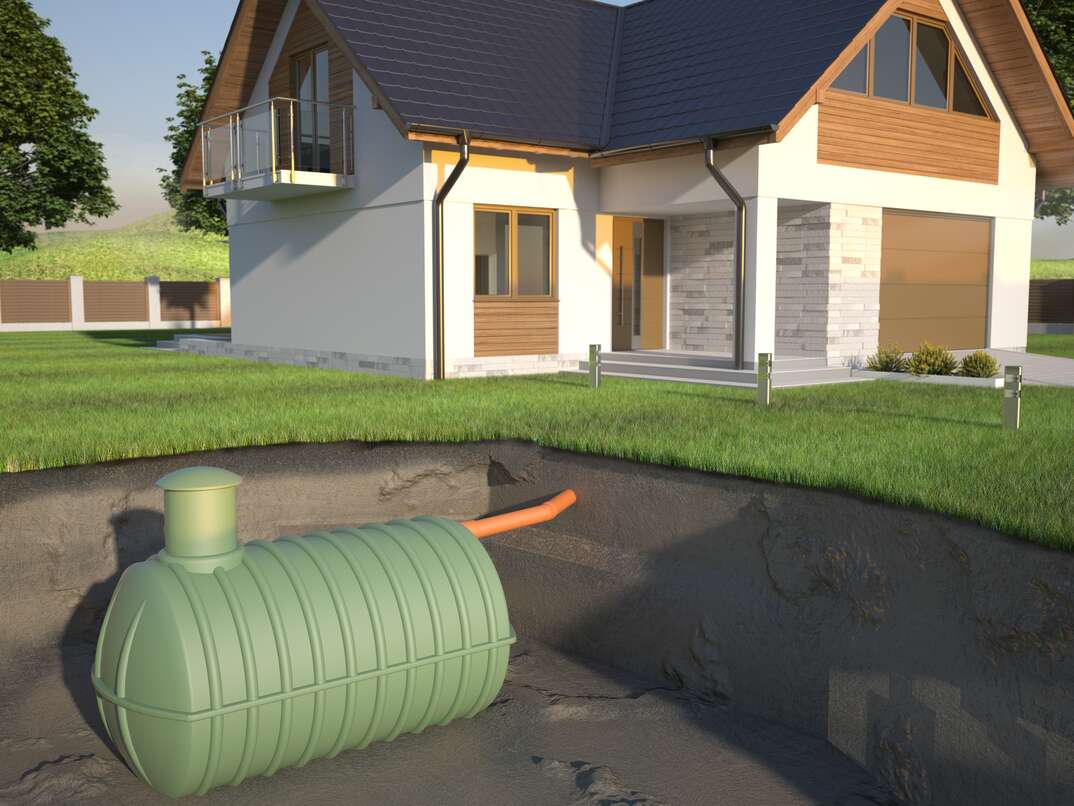
What are the expenses of a septic system installation?
The installation of a septic tank can be a significant investment. However, it is essential to make sure that the water that flows from your property is dealt with safely and effectively. The cost of a system installation may vary according to a number of variables, such as:
Property Size: Homes with larger sizes require a bigger septic system to cope with the increasing amount of wastewater. Larger houses require more costly and extensive septic systems.
Bedrooms A number of bedrooms in your business or home will impact the size of your septic tank. New Hampshire requires a minimum 1000-gallon tank that can be installed at least three bedrooms. An additional 250 gallons tank capacity is needed for every additional bedroom.
Site conditions: The topography of your land, along with the type of soil and its permeability, will affect the price of installation. The cost of installation can increase if terrain or soil conditions are difficult.
Zoning and permit requirements: Local and state requirements for inspections and permits differ. There may be additional costs required to obtain necessary permits.
The cost of putting in the septic tank in New Hampshire can range from $5,000 to $10,000. It’s based on variables like those mentioned above. It is crucial to keep in mind that this is only an estimate. The cost could vary based on your specific circumstances.
The cost of replacing your septic tank
Septic systems can last between 20 and 40 years, based on their maintenance and usage. Once a septic system starts to fail, it is generally cheaper to replace it entirely rather than try to repair it. Signs that your system might require replacement include slow drains or standing water in your yard, and sewer backups.
The cost of replacing a septic tank is determined by the same factors that affect the installation cost, like the size of the property, the bedroom count, and the conditions of the site. A replacement septic system will generally be more expensive than a new installation due to the fact that the old system needs to be removed and cleaned up properly.
The cost of replacing a septic system in New Hampshire can range from $10,000 to $25,000. This depends on factors like the ones discussed above. Also, it is crucial to understand that this is merely an estimate and the final cost may vary according to the specific circumstances of each individual.
How to reduce the cost of a septic system
Regular maintenance: Regular maintenance, which includes checking and pumping, will extend the life of your system as well as prevent expensive repairs or replacements.
It is crucial to choose the right contractor: By selecting a reputable contractor, you can be sure that the septic system has been installed correctly and conforms to the code. You will save cash by avoiding costly repairs or fines resulting from non-compliance.
Avoid flushing non-biodegradable products In the case Flushing non-biodegradable objects such as sanitary supplies diapers, wipes, or wipes can cause clogging of your septic system and cause costly backups.
Conserve water. Conserving water will lower the burden on your septic tank, and extend its life.
The correct system will lower the costs of installation and maintenance.
The maintenance of a functioning and healthy septic system is vital. In the long run, maintaining your septic system can help you save money in the long term, decrease the possibility of contamination of groundwater, prevent smells and backups as well as ensure the longevity of the tank. Regular pumping increases the efficiency of the system and can prevent costly damage caused by cracks, clogs, and clogs. It is also crucial to conduct regular inspections in order to spot any likely issues in the early stages. By following these guidelines, you can ensure that ensure a safe and efficient system for septic tanks that conforms to environmental standards. In the end, a maintenance plan for your tank will reduce time and cost as well as give you peace of mind that your home or business will be able to function as a Septic system for many years.
To know more, click cost to replace septic tank